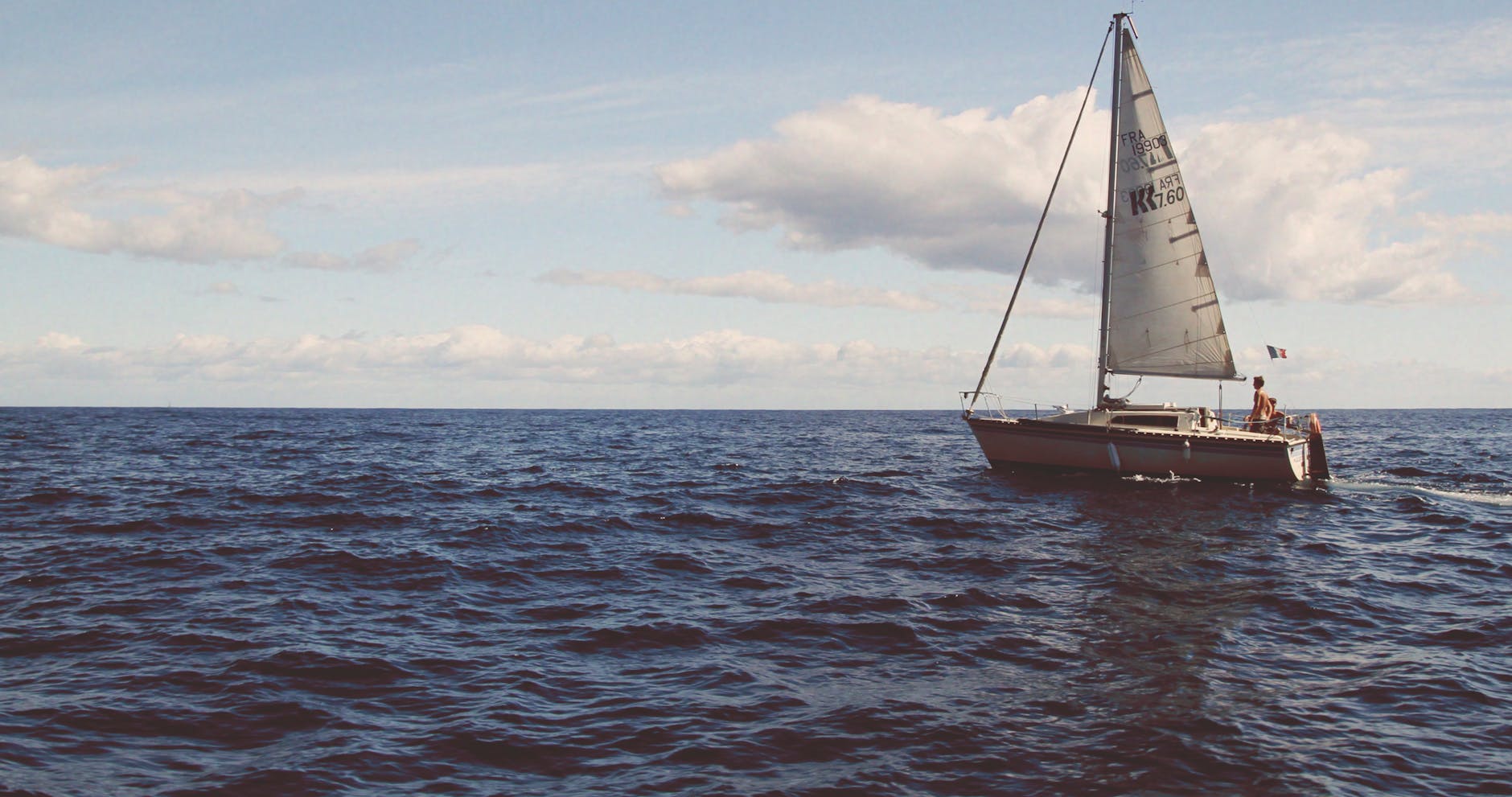
Can Australia Lead in Ethical Safari and Cruise Travels?

Ethical Safari Practices
Imagine starting your day surrounded by the sprawling landscapes reminiscent of Melbourne's Royal Botanic Gardens Victoria but on a much grander scale in an african safari. As someone passionate about biodiversity protection, understanding key wildlife conservation methods is paramount to ensuring that these unique ecosystems thrive. Safaris are not merely about observing animals but actively participating in conservation efforts:
- Promoting Conservation Tactics: Supporting projects like anti-poaching initiatives can propel local efforts to safeguard endangered species.
- Wildlife Preserves: Investing in wildlife reserves aids the protection of biodiversity, nurturing native flora and fauna while providing ethical travel experiences.
However, it's not just the wildlife that benefits. Ethical safari tours also have a significant impact on supporting local communities:
- Community Engagement: Tour operators prioritising local employment and fair wages empower communities and enrich their social fabric.
- Cultural Exchanges: Responsible tours foster respect and understanding, allowing travellers to genuinely connect with local cultures.
Finally, a critical aspect of meaningful travel is reducing environmental footprints. Many operators commit to eco-friendly practices, such as minimizing vehicle emissions and promoting sustainable tourism through solar-powered facilities. By prioritizing eco-conscious choices, travellers can leave a positive mark on these exquisite landscapes. Tailoring adventures to these principles ensures that experiences in exotic destinations like tailormade south america or antarctica cruises remain sustainable and inspiring for future generations.
Ethical Cruise Practices
Sustainable Cruise Operations
Incorporating eco-conscious practices into cruise operations is pivotal for a more sustainable future. This means adopting alternative energy sources, like solar or wind power, and employing advanced waste management systems. By doing so, companies can substantially lower their environmental footprints. While initiatives vary, some operators have started harnessing technologies like lithium-ion batteries to minimise fuel consumption. Such advancements not only support marine life by keeping emissions low but also align with responsible tourism values.
Engaging in Eco-friendly Activities
Eco-friendly activities are a hallmark of ethical cruises, aiming to preserve the beauty of our natural landscapes while enriching passenger experiences. Excursions should be thoughtfully planned to leave minimal impact, promoting interactions with nature that focus on conservation and respect. Activities like guided wildlife observation or educational workshops onboard can provide valuable insights into local ecosystems and their preservation. A visit to the Royal Botanic Gardens Victoria, for instance, could serve as inspiration for promoting biodiversity awareness through immersive experiences.
Impact on Local Economies
Cruise operators have a unique opportunity to contribute positively to local economies while adhering to ethical standards. Successful approaches involve partnerships with local businesses to offer authentic cultural experiences and support small communities. When crafting itineraries, operators should prioritise destinations where tourism bolsters regional economies without overwhelming local resources. Engaging with initiatives like tailormade africa and machu picchu tours provides a framework for weaving sustainability into transformative travel experiences. By doing so, cruises can offer meaningful contributions to destinations that welcome visitors with open arms and vibrant cultures.
Australia's Role in Ethical Travel
Current Initiatives and Projects
Australia is at the forefront of ethical travel, pioneering initiatives that promote sustainable tourism and conservation. One prominent local project is the work carried out at the Royal Botanic Gardens Victoria, which supports biodiversity conservation and showcases sustainable practices. As a biodiversity defender, I find this incredibly inspirational due to its fusion of educational outreach and on-ground conservation efforts.
Influencing Global Travel Standards
With its enduring reputation for natural beauty and unique wildlife, Australia plays a significant role in setting global travel standards. The country's dedication to ethical travel influences many sectors, from eco-focused galapagos cruise tours to africa safari packages emphasizing conservation over exploitation. Australia's policies often serve as a roadmap for global operators keen to integrate sustainability into their operations.
Success Stories and Challenges
Several success stories from Australia highlight the positive impacts of ethical travel, such as increased awareness and tangible ecological benefits. However, there are challenges, including balancing the interests of tourism with wildlife conservation. Initiatives must constantly adapt to ensure they do not inadvertently harm the environment they aim to protect, a delicate balance crucial for the ongoing success of ethical travel practices.
In summary, Australia leads with initiatives that marry responsible tourism with conservation. The country's influence extends globally, resonating with conscientious travelers eager to engage in meaningful experiences.
Strategies for Improvement
Partnering with Ethical Operators
To truly enhance ethical travel experiences, choosing the right partners is crucial. Whether you are eyeing arctic cruises or a kenya safari, aligning with operators committed to sustainable practices can make all the difference. When partners prioritize conservation and community impact, ethical tourism flourishes. Ensuring your operators share these values supports wildlife preservation and cultural sensitivity.
Innovations for Sustainable Tourism
Innovation can significantly transform sustainable tourism. Technologies like carbon offset tools and eco-friendly materials in cruise and safari operations are now setting industry standards. Such innovations reduce environmental footprints and improve the authenticity of eco-travel experiences. The shift toward sustainability also involves creative solutions like solar-powered lodges on safaris or using alternative fuels on cruises, enhancing both visitor experience and positive environmental impact.
Promoting Awareness and Education
Raising awareness remains a vital aspect of sustainable tourism's success. As a biodiversity advocate, leveraging platforms to educate peers about the importance of ethical travel choices amplifies our collective efforts. Whether through guides to ethical safaris and cruises or supporting community-driven initiatives, education empowers more travellers to make informed decisions. Such knowledge fosters a tourism culture rooted in conservation and respect for nature and communities.
Overcoming Hurdles in Ethical Travel
Achieving Growth Without Compromising the Environment
Embarking on the journey of ethical travel, it's crucial that we strike a delicate balance between growth and sustainability. In destinations like the lush landscapes surrounding the Healesville Sanctuary, tourism needs to be handled with care to avoid disrupting the fragile ecosystems. This means supporting tourism operators who prioritise conservation efforts and who work hand in hand with local communities.
Navigating the Regulatory Landscape
Navigating the maze of international and local regulations is yet another challenge for ethical travel. Each country, like our beloved Australia, has its own set of rules that protect natural wonders and manage tourism flows. As eco-travellers, we must stay informed and choose cruise lines and safari operators that comply with these regulations, particularly those supporting ventures like eco-friendly cafes in Fitzroy.
Shifting Public Perceptions Toward Sustainability
A vital component of promoting ethical travel is reshaping public perceptions. The average traveller may not be aware of the impact their journey has on environments like the sprawling greenery of the Royal Botanic Gardens Victoria. Through efforts to educate and inspire travellers about sustainable practices and ethical travel options, like guides to ethical safaris and cruises, we can cultivate a community of informed adventurers who prioritise the planet.
By facing these challenges head-on, we can continue to enjoy the world’s incredible biodiversity while ensuring it thrives for future generations.